
Process steps in woodworking
All processing steps in woodworking – from sanding and structuring to edge processing and paint preparation for uniform surfaces and stable subsequent processes.
Processing procedures for uniform wood surfaces and clean edges
The quality of wood surfaces results from the coordinated interplay of several processing steps: sanding, edge breaking, texturing, intermediate varnish sanding, and...
Polishing the edge banding directly affects surface quality, feel, coating absorption and further processing of wooden workpieces.
Varying material densities, changing fiber orientations, and machining marks from upstream processing steps place high demands on tools and machining parameters. The goal of industrial woodworking is a defined surface condition with a uniform surface appearance and stable conditions for further processing.
Subsequent applications such as painting, oiling, waxing or assembly.
Sanding is the central preparatory step in woodworking. It reduces machining marks, removes raised wood fibers, and prepares the surface specifically for subsequent coating and finishing work. Without this step, uneven surface conditions result, with visible milling or sanding marks and inconsistent coating absorption.
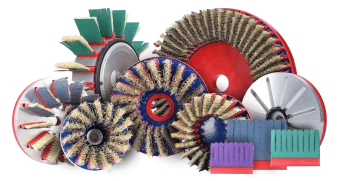
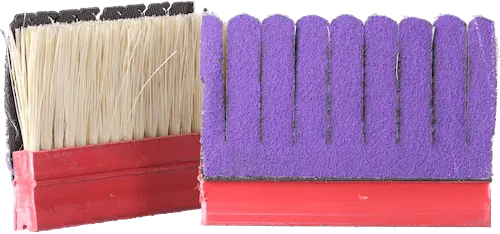
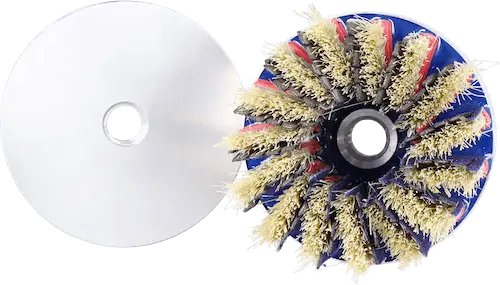
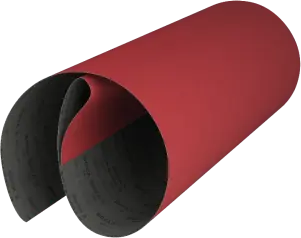
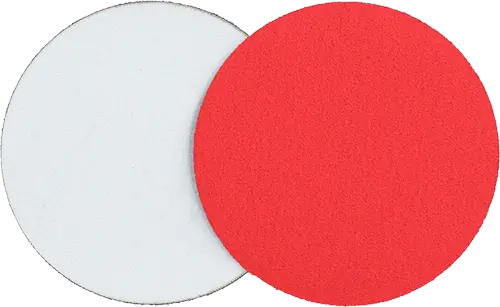
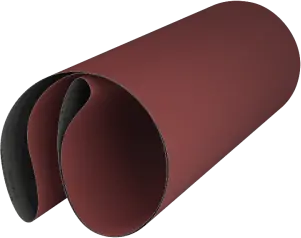
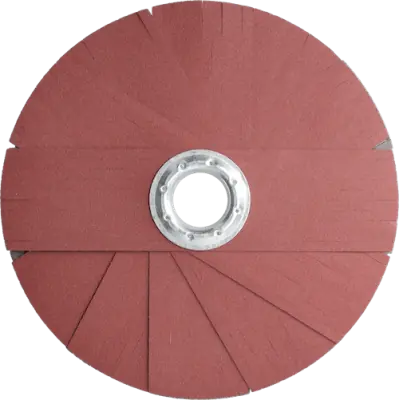
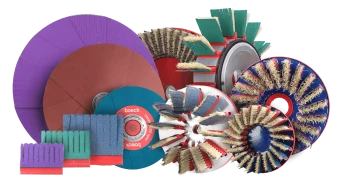
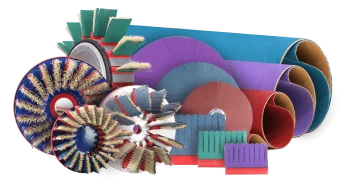
Sanding wooden surfaces involves the use of sanding brush discs, sanding cloth sheets, sanding belts, sanding stars and hook and loop sanding discs to smooth the wood surface, remove damaged fibers and create a uniform surface condition.
The result is a uniform surface with reproducible coating uptake and controlled material removal.
Sanding prepares the workpieces for subsequent processing steps such as intermediate sanding of the paint, edge breaking, or texturing. At the same time, it creates stable conditions for a consistent feel, high-quality visible surfaces, and reduced rework.
Edge breakage in wood
Edge chamfering is the processing step for the targeted de-sharpening of wooden edges. In this process, sensitive workpiece edges are minimally rounded or chamfered to reduce splintering, tear-out, and damage during later use. Without this processing step, there is an increased risk of injury as well as unstable coating and performance properties.
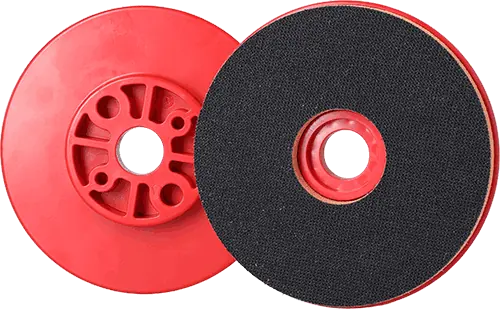
In the edge breaking process, boeck grinding brush discs are used to create a smooth, radius-like transition between surface and edge. Thanks to their flexible tool geometry, the tools adapt to internal contours, external edges, and different workpiece shapes.
The result is uniformly rounded edges with improved feel, reduced splintering and more stable coating properties.
Edge chamfering improves the further processing of workpieces and creates stable conditions for painting, assembly, and daily use. At the same time, it increases the edges' resistance to mechanical stress.
Structuring wood surfaces
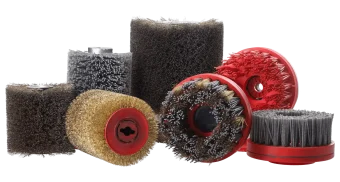
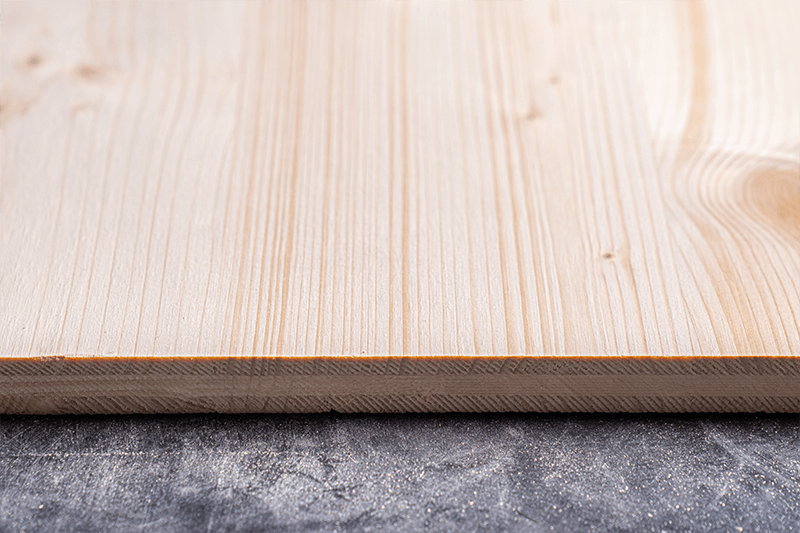
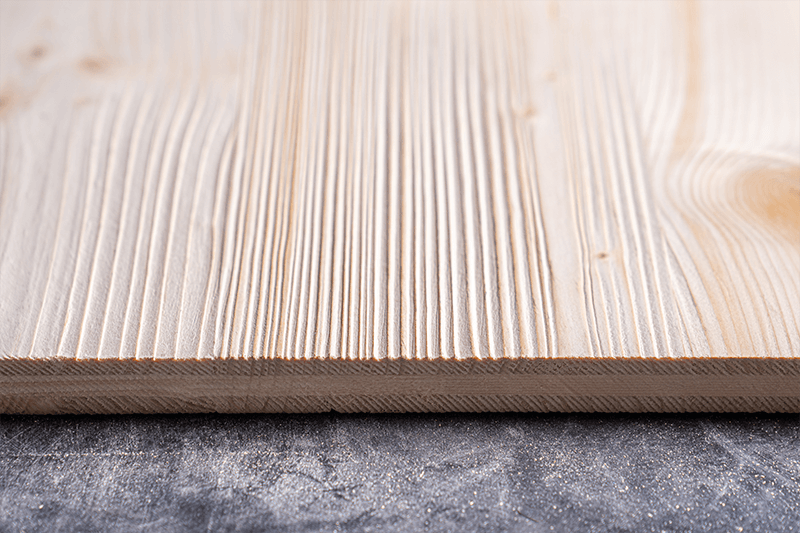
Structuring is the processing step used to selectively bring out the natural wood grain. Softer wood components are removed in a controlled manner, while harder growth rings are preserved. Without this processing step, the surface appears flat with no pronounced wood structure and reduced depth.
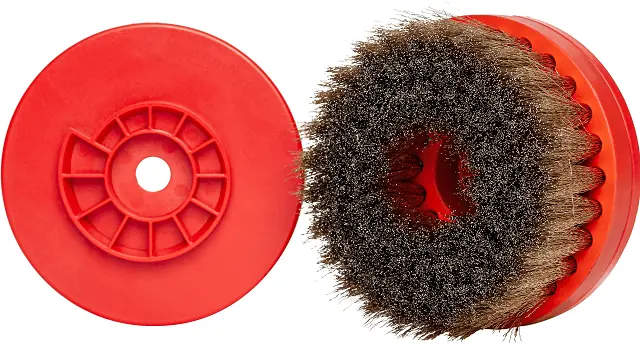
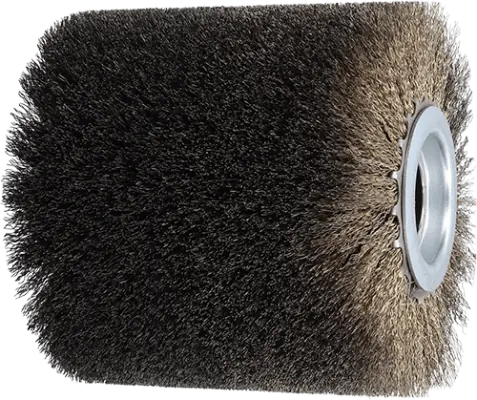
When texturing wood surfaces, spiral round brushes and disc brushes are used to selectively brush out earlywood and visibly highlight the natural wood structure. Depending on the type of wood, abrasive nylon bristles, plastic bristles, or wire bristles are used to precisely control the intensity of the texture and the surface character.
The result is a reproducible surface structure with visible grain, uniform depth effect and high-quality feel.
Structuring creates decorative and functional surface finishes for furniture making, interior design, doors, flooring, or rustic exposed surfaces. At the same time, raised wood fibers can be removed directly in the same processing step.
intermediate paint sanding
Intermediate sanding is the step used to smooth coated wood surfaces between coats of lacquer. This involves the controlled removal of raised wood fibers, dust inclusions, and minor surface imperfections. Without this step, rough lacquer surfaces, reduced lacquer adhesion, and visible quality variations in the finish will result.
During intermediate sanding of the varnish, fine abrasives are used to evenly sand the surface and create a stable base for the subsequent varnish application. Water-based varnishes, in particular, cause wood fibers to stand up, which must then be smoothed down.
The result is a uniform, matte surface with improved adhesion of further coats of paint and reproducible surface quality.
Intermediate sanding of the paint improves the optical depth of the coating and reduces rework in the final finishing process. At the same time, it creates stable conditions for high-quality visible surfaces and uniform paint finishes.
Polish the edge banding

Polishing the edge banding is the final processing step for coated edges. This step specifically reduces adhesive residue, dull transitions, and processing marks after the edge banding has been applied. Without this step, visible transitions between the surface and the edge banding, as well as uneven surface finishes, will occur.
Additionally, milling or mechanical processing of plastic edges can cause so-called white fracture. Particularly with dark or high-gloss edgebanding, mechanically stressed areas become visible as light stress points, impairing the visual uniformity of the edge.
When polishing edgebanding, boeck lamellar wheels with cloth-sisal material are used to clean and simultaneously polish edge areas. This evens out transitions between the workpiece surface and the edgebanding, reduces adhesive residue, and visually minimizes white fringing.
The result is uniform visible edges with reduced machining marks, a homogeneous surface effect and improved haptics.
Edge banding polishing improves the visual quality of furniture parts, interior fittings, and coated visible surfaces. At the same time, it supports stable quality standards in automated series production processes.


FAQ on process steps in woodworking
Here are answers to typical questions about woodworking.
Why is sanding necessary in woodworking?
Sanding removes machining marks, damaged wood fibers, and unevenness. This results in
This creates a uniform surface with reproducible coating absorption.
Why do wood fibers stand up after painting?
Water-based varnishes, in particular, cause wood fibers to swell. This swelling occurs after drying.
They protrude and must be smoothed by intermediate sanding of the lacquer.
What is the difference between looping and structuring?
Sanding evens out and smooths the surface. Texturing involves selectively brushing out softer wood components to highlight the natural grain.
Why is edge breaking important?
Edge breaking reduces splintering, improves the feel and increases the
Resistance of the workpiece edges.
What tools are used for structuring?
Spiral round brushes and disc brushes with wire, nylon or plastic bristles are used for structuring.
Why does the type of wood affect the processing result?
Different bulk densities, annual rings and fiber orientations alter the erosion behavior and the structural effect of the surface.
What effect does intermediate sanding of the lacquer have?
The intermediate sanding of the paint improves the adhesion of subsequent paint layers and ensures uniform surface appearances.
Why do rough paint surfaces form?
Rough surfaces are often caused by raised wood fibers, dust inclusions, or insufficient intermediate sanding.
Why do edge bands need to be polished?
Polishing removes adhesive residue and ensures smooth transitions between the surface and edge banding. It also visually reduces white fringing.
What effect does polishing the edge banding have?
Polishing the edge banding improves the surface appearance, feel, and quality of visible edge areas.
Your Contacts

Marc Böck


Anja Berscheit