
Surface Finishing in Sheet Metal Processing
Surface Finishing in Sheet Metal Processing
Surface finishing defines the final condition of a component surface after edge and surface processing operations have been completed. The goal is to create reproducible surface characteristics that support stable downstream manufacturing processes and consistent component quality.
Following process steps such as slag removal, pre-grinding, deburring, edge rounding and oxide removal, machining marks and non-uniform surface structures may remain. These irregularities can create inconsistent contact and reaction conditions in subsequent operations.
Surface finishing is achieved during the finish grinding process through controlled, minimal material removal. The surface is selectively refined and equalized to create defined properties for coating, assembly and further manufacturing processes.
The result is a defined component condition with a consistent surface structure that supports stable production processes, reproducible results and reliable downstream processing.


Why is Surface Finishing important?
After upstream processes such as pre-grinding, deburring and oxide removal, component surfaces may still contain processing marks, surface roughness variations and non-uniform structures. These conditions can negatively affect downstream manufacturing operations.
Without a dedicated surface finishing process, coating performance may become inconsistent, adhesion conditions can vary and process stability may be reduced. In edge areas particularly, surface irregularities can lead to coating defects and uneven coating distribution.
Assembly and joining processes can also be affected by inconsistent surface conditions, as reproducible contact conditions become more difficult to achieve.
Surface finishing reduces these irregularities and creates reproducible surface characteristics that support coating, assembly and further manufacturing operations.
Surface Finishing through Finish Grinding
De oppervlakteafwerking wordt gerealiseerd tijdens het processtap finish-slijpen, waarbij gecontroleerde, minimale materiaalafname wordt toegepast. Het doel is om de oppervlaktestructuur gericht te egaliseren en reproduceerbare oppervlakte-eigenschappen te creëren zonder de onderdeelgeometrie te veranderen.
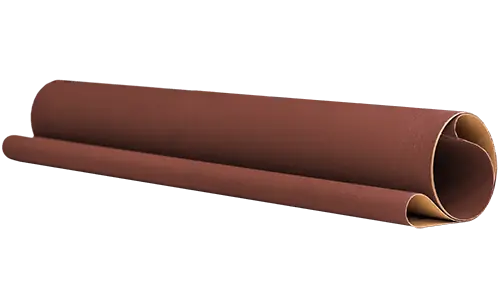
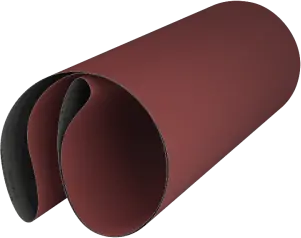
For fine surface refinement, abrasive cloth belts are used to further improve surface consistency and create homogeneous conditions for downstream processes.
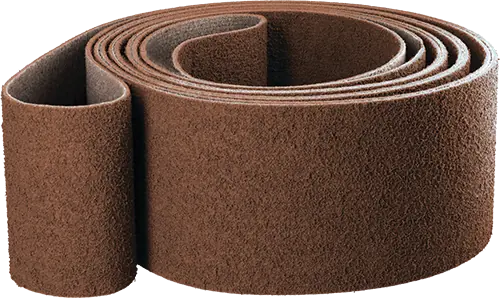
Non-woven belts are used for targeted fine finishing, further refining the surface and creating a homogeneous structure for subsequent processes.
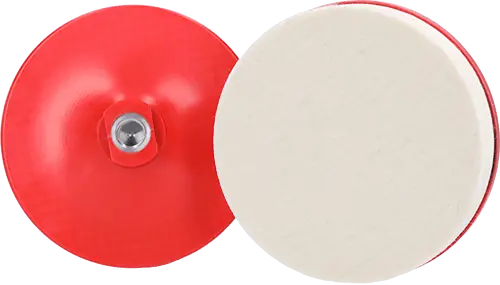
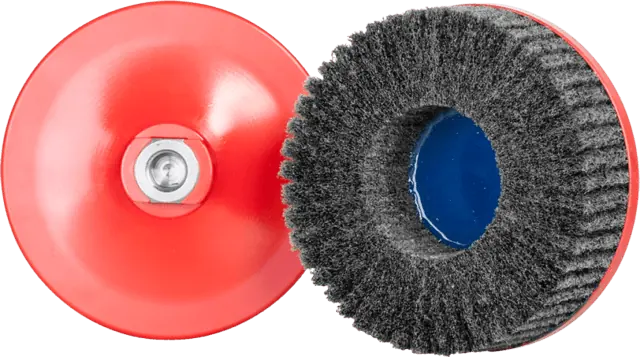
To achieve the final surface condition, polishing plates are used to smooth the surface and establish defined surface characteristics.
The controlled material removal process ensures uniform surface treatment while creating stable conditions for coating, assembly and further manufacturing operations.
The result is a defined component condition with reproducible surface characteristics and consistent coating performance.
Tool solutions can be selected according to material type, surface requirements and finishing objectives.


Surface Finishing for Consistent Coating Performance
A uniform surface finish plays a critical role in coating quality. Non-uniform surface structures can lead to inconsistent coating thickness and reduced coating adhesion.
Through finish grinding, surface characteristics are adjusted to create uniform coating acceptance across both surfaces and edge areas. This helps reduce coating defects and supports stable coating processes.
The result is reproducible coating quality with consistent coating distribution and reliable adhesion performance.
How Surface Finishing Influences Appearance and Surface Feel
Surface finishing directly influences the visual appearance and tactile properties of a component. Uniformly processed surfaces create a consistent appearance and defined surface characteristics.
Irregular surface structures and visible processing marks can result in visual inconsistencies and variations in surface feel. Finish grinding reduces these differences and creates a more homogeneous surface condition.
The result is reproducible surface quality with defined visual and tactile properties.
Surface Finishing as a Key Factor in Stable Production Processes
In industrial high-volume manufacturing, consistent surface finishing is essential for stable production performance. Variations in surface structure can create changing process conditions and increase variation in component quality.
By establishing reproducible surface characteristics, downstream processes can operate under consistent conditions. This helps reduce rework, scrap and process instability.
A defined surface finish therefore plays a significant role in maintaining consistent quality and efficient manufacturing operations.
Surface Finishing as the Foundation for Reproducible Component Quality
Surface finishing ensures that component surfaces are precisely adjusted and reproducible surface parameters are achieved. This is the only way to create stable conditions for coating, assembly, and further processing steps.
A defined component condition supports consistent process performance, reduces variation and helps maintain quality throughout serial production.
Success Stories from our Customers
Through customer-specific tool adaptations, process times can be significantly reduced. One customer application demonstrated that processing time during deburring was reduced by up to 80%.
The latest generation of deburring discs maximizes abrasive contact through an optimized flap arrangement and slot structure. This increases material removal at the sheet metal edge and significantly improves machine performance.
Customers benefit from our extensive application knowledge and process experience. This expertise helps create efficient manufacturing processes and supports reliable production performance.
The Final Processing Step with boeck Tools
You are currently viewing a placeholder content from YouTube. To access the actual content, click the button below. Please note that doing so will share data with third-party providers.
More informationCompatible with Leading Machine Manufacturers
FAQ About Sheet Metal Surface Finishing
Find answers to common questions about finish grinding, surface condition, coating performance, appearance, surface feel and stable manufacturing processes. Learn how controlled surface finishing creates reproducible surface characteristics and supports consistent component quality.
Surface finishing describes the final condition of a component surface after edge and surface processing operations have been completed.
The goal is to create a defined component condition with reproducible surface characteristics that support stable downstream manufacturing processes and consistent component quality.
Surface finishing describes the desired final condition of a component surface, including the surface characteristics required for downstream manufacturing processes.
Finish grinding is the process used to create that surface condition through controlled, minimal material removal. During this process, the surface is refined and equalized to achieve reproducible surface characteristics and stable conditions for coating, assembly and further processing.
After upstream processes, machining marks, surface roughness variations and non-uniform surface structures may remain on the component surface.
Without surface finishing, reproducible surface characteristics cannot be ensured. As a result, coating performance, assembly operations and downstream manufacturing processes may become less stable and more difficult to control.
During the finish grinding process, abrasive cloth belts are used to reduce remaining machining marks and create a more uniform surface structure.
Non-woven belts are used to further refine the surface and improve surface consistency. Polishing plates are applied in the final finishing step to adjust the final surface condition and create defined surface characteristics.The combination of these tools supports controlled material removal and helps achieve reproducible surface conditions for coating, assembly and downstream manufacturing processes.
A consistent surface finish supports uniform coating acceptance across both surfaces and edge areas.
Non-uniform surface structures, on the other hand, can lead to variations in adhesion, uneven coating thickness distribution and coating defects. By creating reproducible surface characteristics, surface finishing helps establish stable conditions for consistent coating performance and reliable coating quality.
Controlled material removal ensures that the surface is processed uniformly without altering the component geometry in an uncontrolled manner.
This creates reproducible surface characteristics and stable conditions for coating, assembly and downstream manufacturing processes. Consistent material removal also helps reduce process variation and supports reliable, repeatable production results.
Surface finishing determines the visual appearance and tactile properties of a sheet metal component.
Uniformly processed surfaces reduce visible machining marks and create reproducible visual and tactile characteristics. This results in a consistent surface appearance, defined surface properties and a more uniform perception of component quality.
In high-volume production environments, variations in surface condition can create inconsistent process conditions and increase variation in component quality.
A defined surface finish helps reduce rework, scrap and process instability by creating reproducible surface characteristics. This ensures that downstream manufacturing processes operate under consistent conditions and supports reliable, repeatable production results.
Surface finishing is performed after upstream processing steps such as slag removal, pre-grinding, deburring, edge rounding and oxide removal.
It represents the final process step used to establish a defined surface condition with reproducible surface characteristics. This final finishing stage creates stable conditions for coating, assembly and downstream manufacturing processes while ensuring consistent component quality.
The goal of surface finishing is to create a defined component condition with a uniform surface structure and reproducible surface characteristics.
This defined surface condition provides stable foundations for coating, assembly, visual appearance, surface feel and reliable high-volume manufacturing processes. It helps ensure consistent process conditions, reduces variation and supports reproducible component quality throughout production.
Your Contacts

Marc Böck


Anja Berscheit