
Surface finish in sheet metal processing
Creates a defined surface condition through controlled material removal for reproducible properties and stable subsequent processes.
Surface finish in sheet metal processing
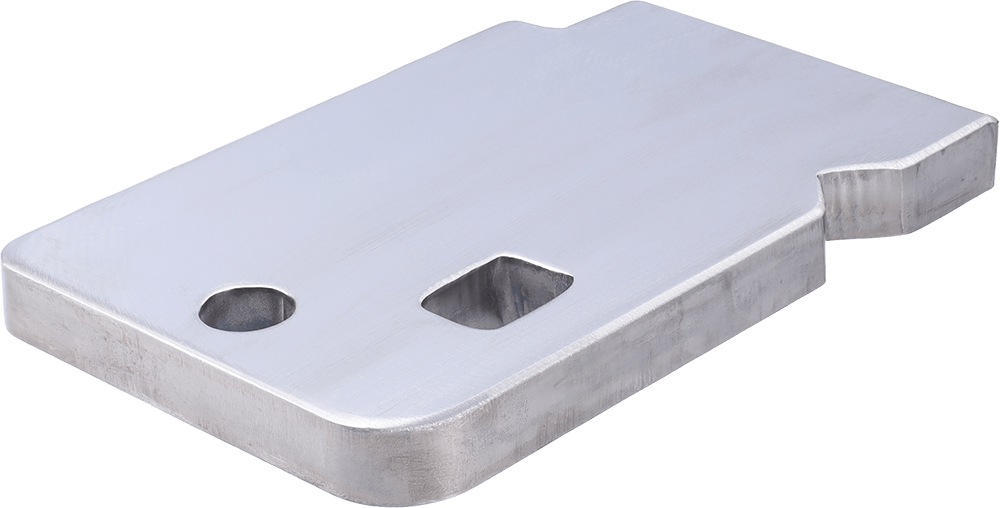
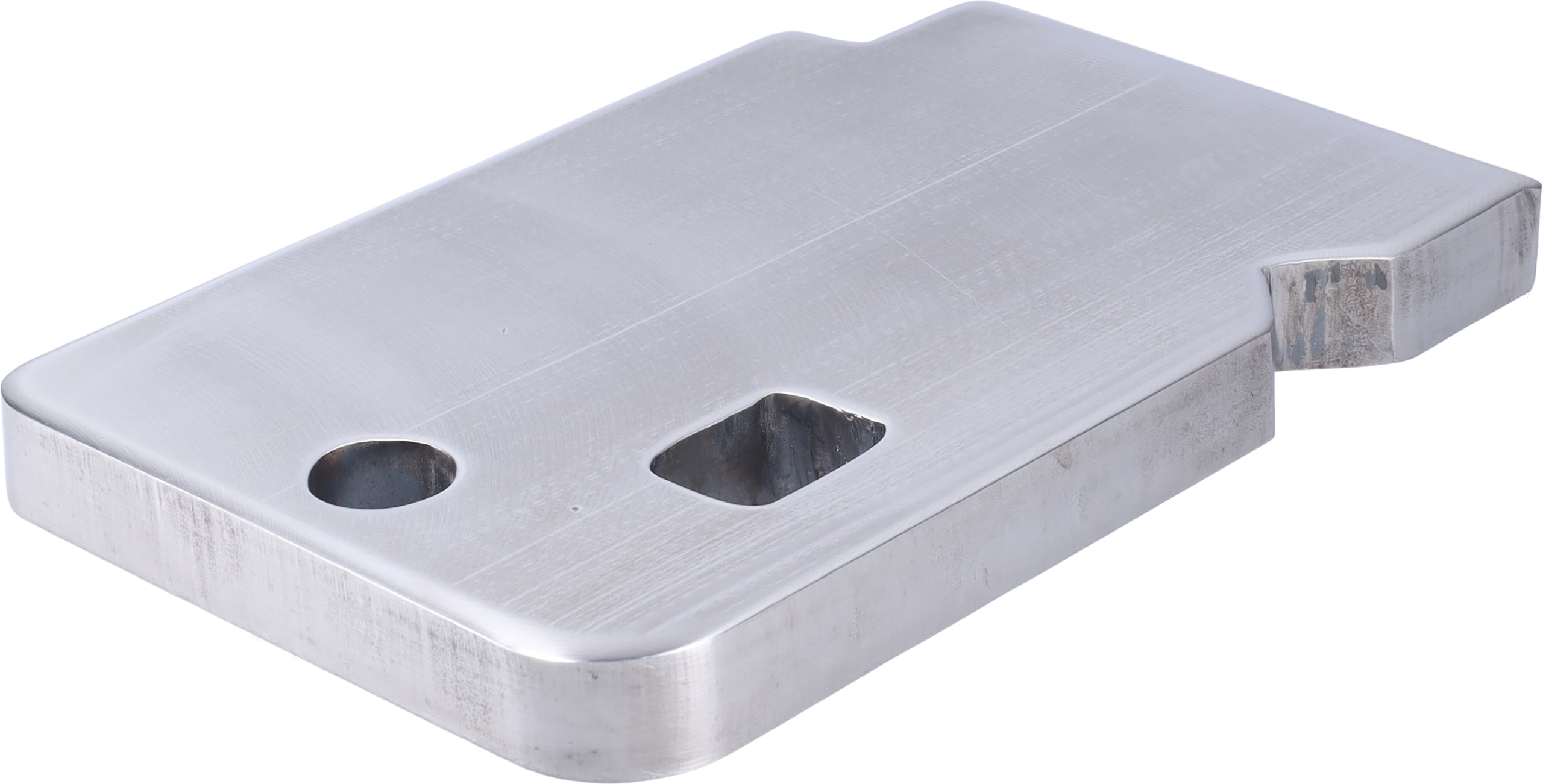
The surface finish describes the final state of the component surface after edge and surface processing. The goal is to create reproducible surface parameters that enable stable subsequent processes and consistent component quality.
Processes such as slag removal, pre-grinding, deburring, edge rounding, and oxide removal leave behind machining marks and inhomogeneous surface structures. These lead to uneven contact and reaction conditions in subsequent processes.
The surface finish is achieved in the finish grinding process step through controlled, minimal material removal. This process precisely evens out the surface and adjusts it to achieve defined properties for coating, assembly, and further processing steps.
The result is a defined component condition with a uniform surface structure, ensuring stable processes, reproducible results and safe further processing.
Why is a surface finish necessary?
Following upstream processes such as pre-grinding, deburring, and oxide removal, machining marks, roughness variations, and inhomogeneous structures remain on the component surface. These lead to uneven contact and reaction conditions in subsequent processes.
Without a targeted surface finish, this results in uneven coating uptake, fluctuating adhesion conditions, and unstable process flows. Particularly in edge areas, differences in surface structure can lead to coating defects and insufficient layer distribution.
Inhomogeneous surfaces also have a negative impact on assembly and joining processes, as defined contact conditions are lacking and reproducible results are made more difficult.
The surface finish ensures that these irregularities are specifically reduced and reproducible surface parameters are created. This results in stable conditions for coating, assembly, and further processing steps.
Surface finish achieved through finish grinding
The surface finish is achieved in the finish grinding process step through controlled, minimal material removal. The aim is to precisely equalize the surface structure and establish reproducible surface parameters without altering the component geometry.
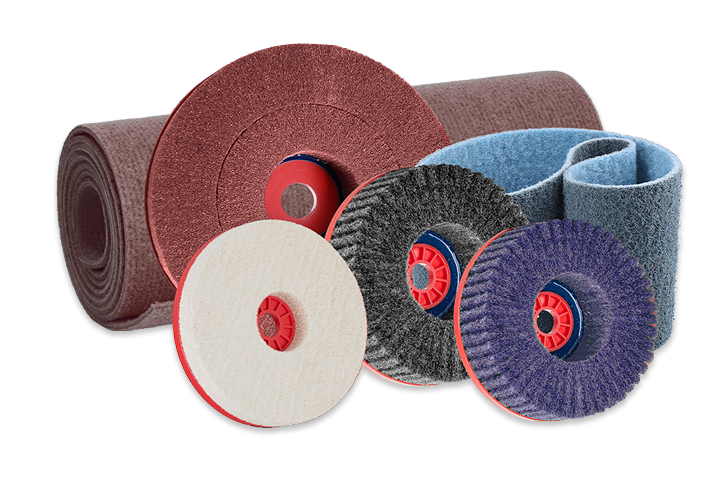
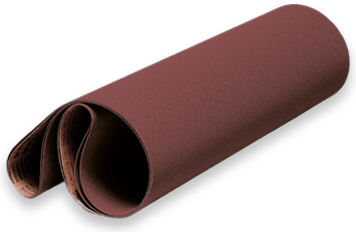
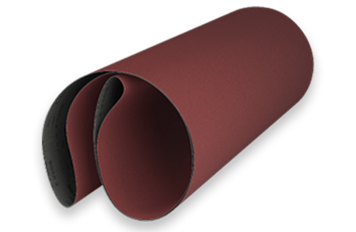
In the finishing stages, Abrasive belts Used to reduce remaining machining marks and create a uniform surface structure.
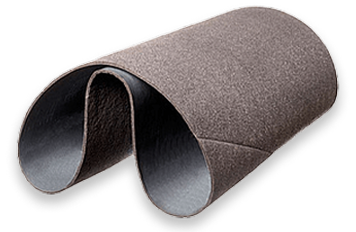
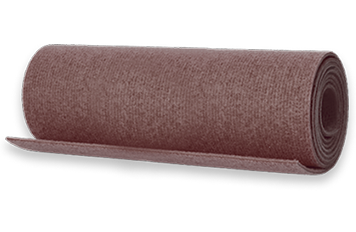
For targeted fine-tuning, Abrasive fleece belts for use, which further refine the surface and create a homogeneous structure for subsequent processes.
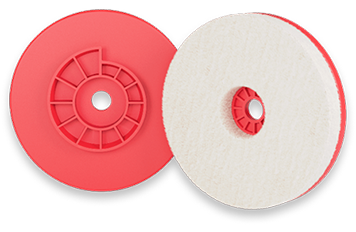
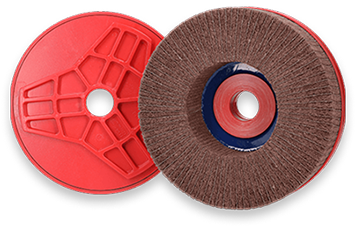
The final adjustment of the surface condition is made Polishing plate It is used to selectively smooth the surface and create defined surface properties.
Controlled material removal ensures that the surface is processed evenly and creates stable conditions for coating, assembly and further processing steps.
The result is a defined component condition with reproducible surface parameters and uniform coating uptake.
Tailored tool solutions for surface finishing are available to meet different requirements regarding surface, material and machining objective.

Surface finish for uniform coating processes
A uniform surface finish is crucial for the quality of coating processes. Inhomogeneous surface structures lead to uneven layer thickness distribution and reduced adhesion of coating systems.
Finish grinding allows for the precise adjustment of surface parameters, resulting in uniform coating absorption across the entire surface and edges. This reduces coating defects and creates stable process conditions.
The result is a reproducible coating quality with uniform layer distribution and stable adhesion.
Influence of surface finish on appearance and feel
The surface finish determines the visual and tactile perception of a component. Uniformly finished surfaces ensure a homogeneous appearance and defined surface properties.
Irregular structures and machining marks, on the other hand, lead to visual deviations and inconsistent feel. Finish grinding reduces these differences and creates a uniform surface structure.
The result is a reproducible surface quality with defined visual and haptic properties.
Surface finish as a factor for stable series production processes
In industrial mass production, a uniform surface finish is crucial for stable processes. Fluctuating surface structures lead to varying process conditions and increase variability in component quality.
By precisely setting reproducible surface parameters, it is ensured that subsequent processes run under constant conditions. This reduces rework, scrap, and process instability.
A defined surface finish therefore contributes significantly to ensuring consistent quality and efficient manufacturing processes.
Surface finish as the basis for reproducible component quality
Surface finishing ensures that component surfaces are precisely adjusted and reproducible surface parameters are achieved. This is the only way to create stable conditions for coating, assembly, and further processing steps.
A defined component condition enables consistent process conditions, reduces fluctuations and ensures quality in series production.
More about the entire process chain: Edge and surface finishing at a glance
OUR CUSTOMERS' SUCCESS
SAVING PROCESSING TIME
By customizing our tools for each customer, process times can be significantly reduced. A customer case shows that up to 80 % of processing time can be saved during deburring.
MAXIMIZING EDGE ROUNDING
The latest generation of deburring discs maximizes the abrasive surface area thanks to the innovative arrangement and slotted structure of the abrasive flaps, increases material removal at the sheet metal edge and significantly improves the performance of your deburring machine.
PROCESS OPTIMIZATION
Our customers benefit from our extensive consulting and application experience. This expertise guarantees maximum competitiveness through high-performance processes in every production environment.
the final processing step with Boeck tools
You are currently viewing placeholder content from YouTube. To access the actual content, click the button below. Please note that this will involve sharing data with third parties.
More informationOur tools are compatible with common machine manufacturers.
YOUR CONTACT PERSONS

MARC BÖCK

